
The Job Completion Summary: How to End Every Job in a Way That Generates Reviews and Referrals
How you close out a job shapes everything that comes after — the review, the referral, and whether they call you again. Here is what a professional job completion looks like.
The moment that determines everything after
You've done excellent work. The job looks great. The customer is satisfied. And then you say "all right, we're all set" and start loading the truck.
That's it. No walkthrough. No documentation. No review ask. No summary of what was done or what to watch for. You're in the truck and gone in eight minutes.
The customer will remember the work. They'll recommend you to a friend if the subject comes up. But they won't review you tonight, because nobody prompted them. They won't know what warranty they have, because you didn't write it down. And if something comes up in two months, they won't know who to call — because they can't remember the name of the company on the truck.
A professional job completion takes fifteen minutes and changes all of those outcomes.
The walkthrough
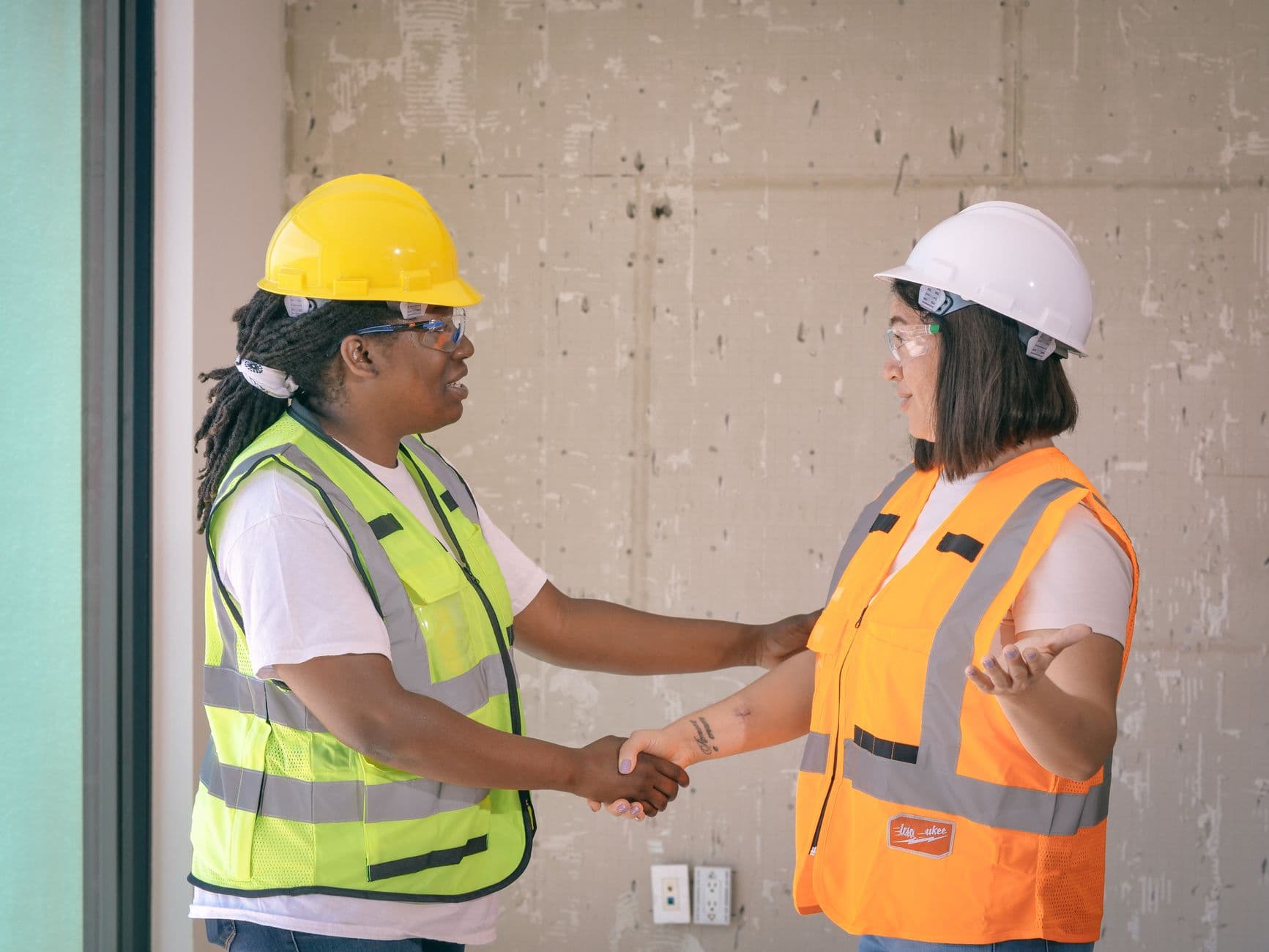
Before you pack up, do a walkthrough with the customer. Not because you're worried about complaints — because it signals that you stand behind the work and you're not in a hurry to disappear.
Walk the job with them. Point out what was done in each area. Note anything they should be aware of going forward: "this caulk needs 24 hours to cure before getting wet" or "we patched that section of decking — you'll see the new wood colour even out over the next few months."
Ask directly: "Does everything look the way you hoped? Is there anything you'd like me to take a second look at before we pack up?"
This is the moment customers raise concerns they otherwise wouldn't. Better to hear it now, when you're still on site with tools in hand, than by text message next week.
The completion summary document
A completion summary is a brief written record of what was done, sent to the customer within 24 hours. It doesn't need to be elaborate — a few lines is enough.
What to include:
- Job completed (date and address)
- Work performed (a brief plain-English summary, not the full estimate line items)
- Any warranty terms (your workmanship warranty period — see the warranty guide)
- What to watch for / maintenance notes (if relevant)
- Your contact information
Example:
Job completed April 24, 2025 — 14 Maple Drive
We replaced the full roof (front and rear slopes, 26 squares) with Owens Corning Duration shingles in Driftwood, installed new ridge vent, replaced all flashings, and hauled away the old materials.
Our workmanship is covered for 12 months from today. Owens Corning provides a separate 30-year product warranty — your registration card is in the envelope we left on the kitchen counter.
The new roof is fully weather-tight immediately. If you notice any issues in the first few weeks, please reach out — we want to know. [Name, phone, email]
This document takes ten minutes to write. Most customers have never received anything like it from a contractor. The impression it leaves is significant.
The review ask
Immediately after the walkthrough — while you're still on site, while the customer has just told you it looks great — is the moment to ask for a review.
"Really glad you're happy with it. If you have a moment, a Google review would mean a lot to us — it's how most of our new customers find us. I can text you the link right now."
Text it before you pull away. As covered in how to get 5-star reviews, the window of enthusiasm closes fast. Same-day review collection is the standard to aim for.
The referral ask
The review ask and the referral ask are separate — don't combine them or it feels like a transaction. The referral ask comes after the review link is sent:
"And if you know anyone who needs [trade type] work, we'd love the referral. We take good care of the people our customers send us."
Two separate asks. Two separate opportunities. The customer who just saw their finished job is the most motivated they'll ever be to help you — don't leave that moment unused.
The system
Completion summary email sent by 9am the next morning. Google review text sent the day of. One-month follow-up to check in and ask if everything's holding up.
Three simple steps after every job. The contractors who do this consistently report higher review volumes, more referrals, and a repeat customer rate that reduces their dependence on marketing spend year over year.
End every job like it's the beginning of the next one. It usually is.
Win the job. Lock the deposit. Move on.
Riveta is rolling out by invite. Join the waitlist and we'll reach out when your spot is ready.