
How to Price Emergency and After-Hours Calls
Emergency calls are high-value, high-stress, and chronically underpriced. Here is how to set after-hours rates that reflect the real cost and communicate them without awkwardness.
The call at 9pm
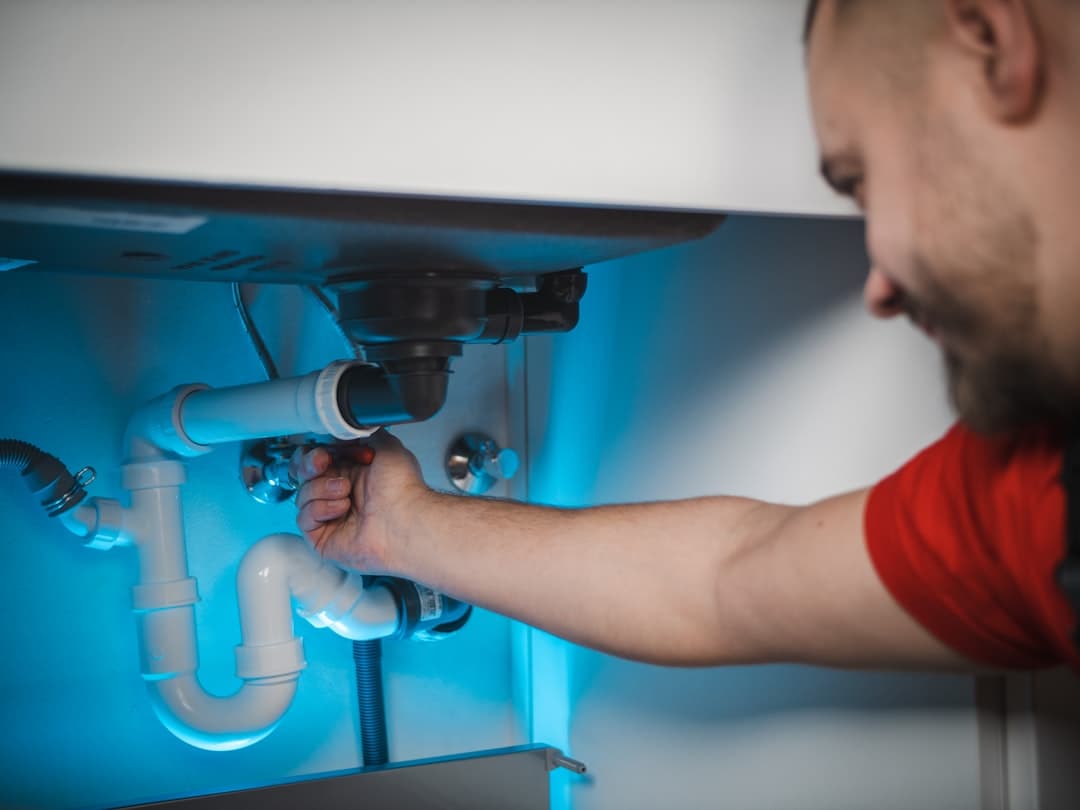
The pipe under the kitchen sink is spraying water. It's Sunday evening. The homeowner has already ruined two towels holding it at bay. They need a plumber now.
They will pay more than your standard rate. They know it, you know it, and there is nothing wrong with charging it. An emergency call on a Sunday night involves real costs that a Tuesday afternoon appointment doesn't: your personal time, the disruption to your evening, the difficulty of sourcing parts after hours, and the premium value of immediate availability.
The contractors who don't price this appropriately are subsidising homeowners' emergencies with their own time. The ones who have clear emergency rates communicate them upfront, deliver the work, and get paid fairly.
What emergency and after-hours work actually costs
The cost of an after-hours call includes:
Your time at a premium. If your standard rate is $90/hour, an evening or weekend call is worth at least $135–$150/hour — a 50–67% premium. Your time at 8pm is worth more than your time at 10am, to you and to your family.
Travel time. Evening calls often involve longer travel (traffic patterns, cold starts in winter) and require a truck already loaded for the job type.
Parts premium. If materials aren't in the truck and the supply house is closed, you're either sourcing from a hardware store at retail prices or making a second trip. Both have real cost.
The opportunity cost of certainty. You're giving this customer the certainty of an immediate solution. That certainty has value beyond the labour and materials.
Setting your after-hours rate structure
A simple three-tier structure covers most scenarios:
Standard rate: Your normal hourly rate during business hours (Mon–Fri, typically 7am–6pm)
Evening/weekend rate: 1.5× standard — for calls between 6pm–10pm on weekdays and 8am–6pm on weekends
Emergency/overnight rate: 2× standard — for calls after 10pm, before 7am, on major holidays, or in severe weather
Minimum callout fee: A minimum charge that covers your time regardless of how short the job is. Typically equivalent to 1–2 hours at the applicable rate.
These multipliers are industry-standard across most trades. A homeowner with a plumbing emergency at 11pm on a Sunday is not comparing you to your Monday-morning rate.
Communicating the rate without awkwardness
The discomfort most contractors feel about after-hours pricing is about disclosure — they don't want to mention the higher rate and have the customer feel price-gouged.
The solution is to state it clearly, early, and matter-of-factly:
"I can get there tonight. My after-hours rate is $X/hour with a minimum callout of $Y — does that work for you?"
Said neutrally, without apology, this is just information. Customers in a genuine emergency almost always say yes. The ones who hesitate — on a call where they've described water spraying across their kitchen floor — often just need a moment to process the number.
If they ask why it's higher, one honest sentence is enough:
"My evening rate accounts for the time and for parts that need to come from elsewhere when the supply house is closed."
You don't need to justify it beyond that.
Put it in your estimate
A quick written estimate even for emergency calls protects both parties. Even if it's just a note on your phone:
"Emergency after-hours call — [work description]. Rate: $[amount]/hour after-hours. Estimated time: [X hours]. Parts estimated at [range]. Total estimated: $[low]–$[high]."
Send it as a quick message before you start work. Get a "yes, proceed" back. As discussed in the context of presenting large estimates, setting expectations upfront removes the surprise from the invoice.
The contractors who don't price this correctly
The pattern for underpriced emergency calls: the contractor answers the call, quotes the standard rate because they didn't want to seem opportunistic, arrives at 10pm, works for two hours, drives home at midnight, and invoices $180. After their own time and trouble, they've effectively worked for $25/hour.
The customer, who was relieved to find someone, would have happily paid $300. The contractor's reluctance to charge fairly is the only reason they didn't.
Your after-hours availability is a service with real value. Price it accordingly — not to exploit the situation, but to accurately reflect the cost of providing it.
Win the job. Lock the deposit. Move on.
Riveta is rolling out by invite. Join the waitlist and we'll reach out when your spot is ready.