
Guides for growing contractors
Practical advice on estimates, deposits, and running a more professional trades business.

Change Orders 101: How to Protect Yourself When the Scope Changes Mid-Job
Scope creep is the fastest way to turn a profitable job into a losing one. A proper change order process stops it before it starts — here is how to build one.

Your Customer Has Opened Your Estimate 4 Times and Still Hasn't Signed — Here's What To Do
Multiple views on your estimate without a signature is one of the clearest buying signals in the trades. Here is how to read it and what to do next.

Why the First Contractor to Respond Wins the Job (Most of the Time)
Speed of response is the single most underrated competitive advantage in contracting. Here is the data, the psychology, and the practical changes that will make you the first call back.

Why Sending Estimates as PDF Attachments Is Killing Your Close Rate
PDFs feel professional but they create friction at every step of the customer approval process. Here is what happens to your close rate when you make the switch to an approval link.

How to Collect a Deposit Before You Leave the Job Site
The driveway close is the highest-percentage move in contracting. Build the estimate on site, get the approval, collect the deposit before you drive away. Here is how.

The 3-Day Rule: How Top Contractors Follow Up on Estimates Without Lifting a Finger
Most estimates are decided within 72 hours of being sent. Here is how to make sure you are always in front of the customer at the right moment — automatically.

The Contractor's Guide to Terms and Conditions That Actually Protect You
A blank terms section on your estimate is an open door for disputes. Here is what your T&Cs need to cover and the language that holds up when things go sideways.

How to Present a $15,000 Estimate and Win the Job
Large estimates require a different approach than small ones. Here is the psychology and the process behind presenting high-ticket quotes in a way that builds confidence instead of sticker shock.

I Quoted 15 Jobs Last Month Using AI. Here's What Happened.
I was skeptical that AI could write a useful contractor estimate. After running it on 15 real jobs, here is what it got right, what it got wrong, and whether I would keep using it.

Handyman Pricing 101: How to Stop Undercharging on Small Jobs
Small jobs feel like they're not worth writing an estimate for. That thinking is costing you more than you realize. Here is how to price handyman work correctly and build a sustainable hourly rate.

Estimate vs. Quote: The Difference That Protects You in a Dispute
Most contractors use these words interchangeably. That habit has cost contractors real money when a project goes over budget. Here is what each term means and which one to use.

What Your Estimate Says About Your Business Before You Even Shake Hands
Your estimate is usually the first piece of professional communication a customer sees from you. Here is what it signals — and how to make sure it signals the right things.

The Spreadsheet-to-Software Switch: What No One Tells You Before You Make It
Switching from Excel to estimate software looks straightforward until you actually do it. Here is what to expect, what to migrate, and how to make the switch without disrupting active jobs.

The Real Cost of a Declined Estimate (It's Not What You Think)
Most contractors only count the lost revenue when an estimate doesn't close. The real cost — in time, overhead, and opportunity — is significantly higher. Here is how to calculate it.

Going From Solo to a Two-Person Operation: What Your Admin Process Needs to Handle First
Bringing on a first hire exposes every weakness in your admin process. Here is what breaks first and how to build the systems you need before you need them.

How to Build a Template Library That Makes Every Estimate Faster
The biggest time cost in estimating is building the same structure from scratch every time. A well-organised template library eliminates that — here is how to build one that actually gets used.

How to Bring Up Customer Financing Without Making It Awkward
Many high-ticket jobs are lost not because the customer can't afford them, but because the monthly payment conversation never happened. Here is how to have it naturally.

Storm Season: How to Handle Insurance Jobs Without Getting Burned
Insurance-funded repairs can be some of the best jobs a roofer or restoration contractor takes. They can also be some of the most complicated. Here is how to do them right.

The Contractor's Guide to Warranties: What to Promise, What to Exclude
An undefined warranty is an open liability. Here is how to write warranty language that builds customer confidence while protecting you from unreasonable claims.

Managing Subcontractors on a Multi-Trade Job Without Losing Your Margin
Bringing in subs is how you scale. But every sub you manage without the right systems is a margin leak. Here is how to keep multi-trade jobs profitable.
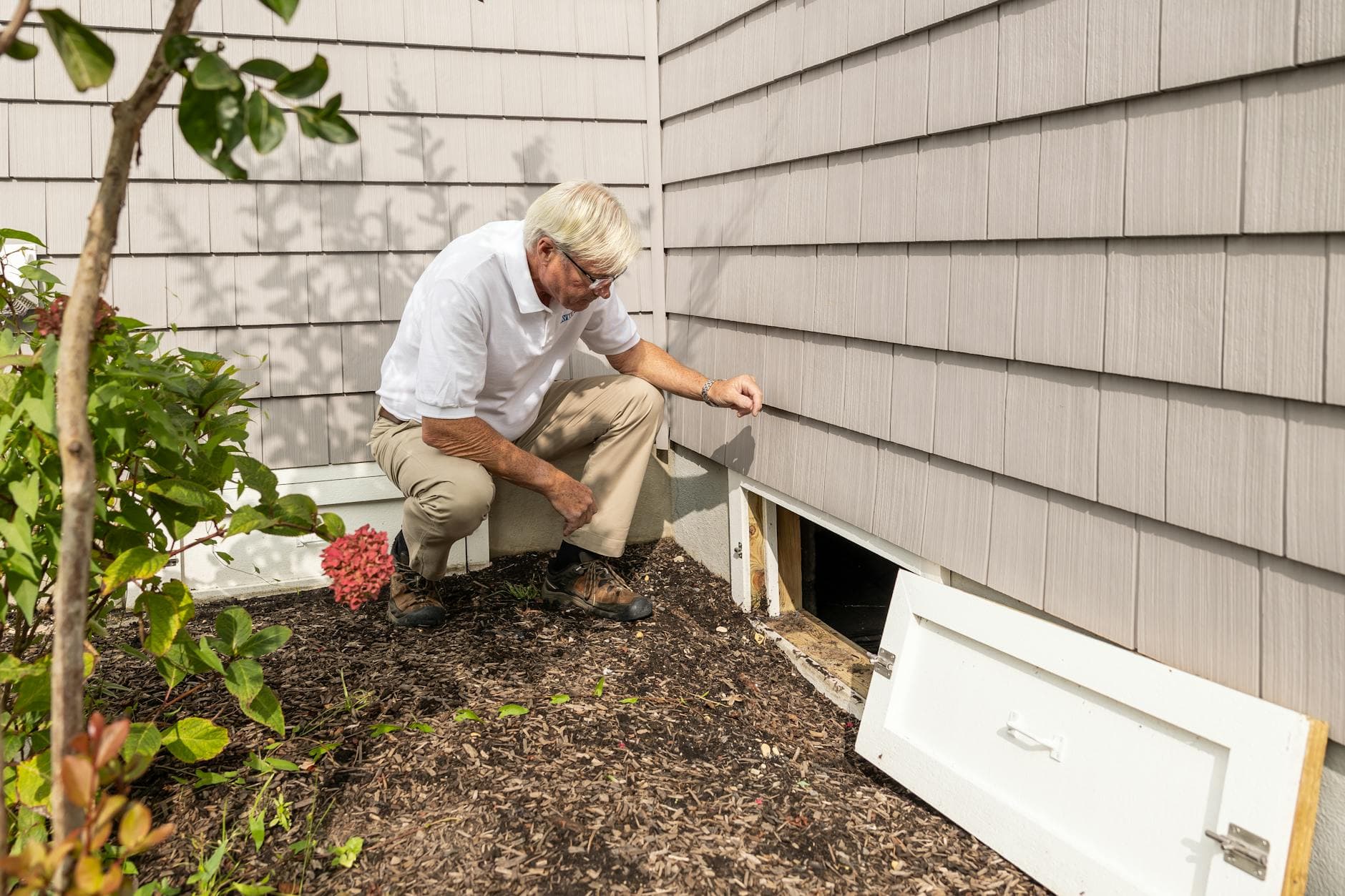
Why Adding Photos to Your Estimates Wins More Jobs
A photo of the problem your estimate solves is worth more than any line item description. Here is how contractors use job-site photos to build trust and close higher-value work.

When a Customer Asks for a Discount: What to Say and What to Do
The discount request is one of the most common moments in a contractor's sales process. Here is how to respond in a way that protects your margin without losing the job.

How to Re-Engage an Estimate That Went Cold
An estimate that went quiet is not necessarily a dead lead. Here is a practical playbook for reviving old quotes — and knowing when to let them go.

How to Spot a Problem Customer Before the Job Starts
Some customers cost you more than they pay you — in time, stress, and margin. Here are the warning signs that show up before a single tool is unpacked.

How to Handle 'I Need to Get a Few More Quotes' (Without Panicking)
It's the most common response to a contractor estimate. Here is what it actually means, when to compete, and when holding firm is the smarter play.

How to Write a Scope of Work That Prevents Disputes Before They Start
Most contractor disputes begin with the same sentence: 'I thought that was included.' A clear scope of work written before the job starts prevents that conversation entirely.

Landscaping Pricing: How to Build Seasonal Estimates That Stay Profitable
Landscaping pricing is complicated by seasonality, material variability, and labour intensity that's hard to estimate from a walkthrough. Here is a framework that holds up across job types.

How to Estimate a Painting Job: Measurement, Pricing, and What to Watch For
Painting estimates are easy to underprice. Here is a systematic approach to measuring, pricing labour and materials correctly, and writing a scope that protects you on every job.

How to Price a Job When Material Costs Are Unpredictable
Lumber, copper, roofing materials — prices can move 15–20% in a quarter. Here is how to write estimates that protect your margin when the market won't hold still.
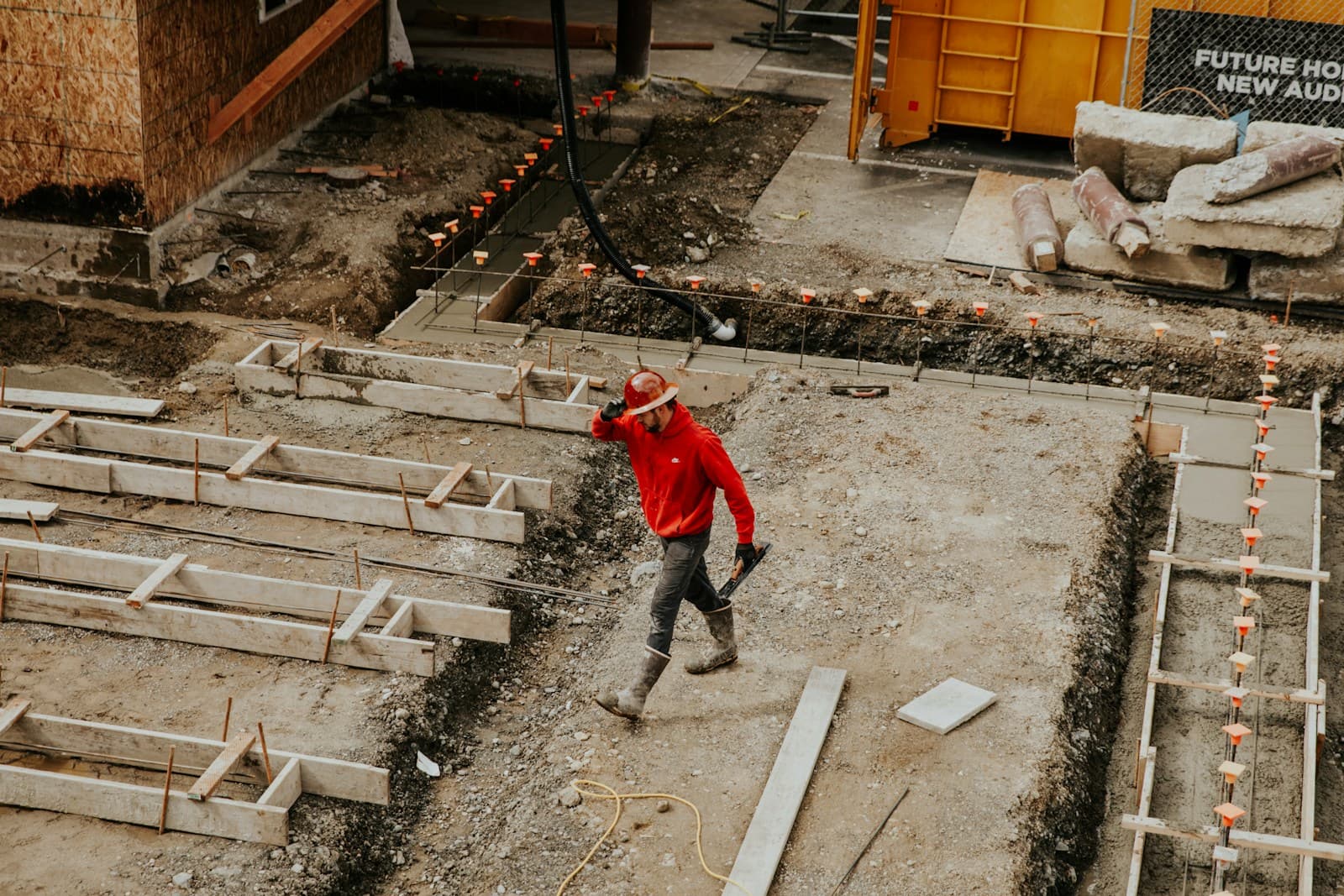
The Conversation to Have With Every Customer Before the Job Starts
Most mid-job frustrations are caused by expectations that were never set. A five-minute pre-job conversation prevents the majority of them.

How to Handle a Customer Who Wants to Renegotiate After They've Already Signed
A signed estimate is a contract — but some customers treat it as an opening offer. Here is how to hold the line professionally without blowing up the job or the relationship.

How to Write the Perfect Cover Message When You Send an Estimate
Most contractors attach an estimate and write nothing, or paste a generic note. A well-crafted cover message primes the customer to say yes before they even open the document.
Win the job. Lock the deposit. Move on.
Riveta is rolling out by invite. Join the waitlist and we'll reach out when your spot is ready.